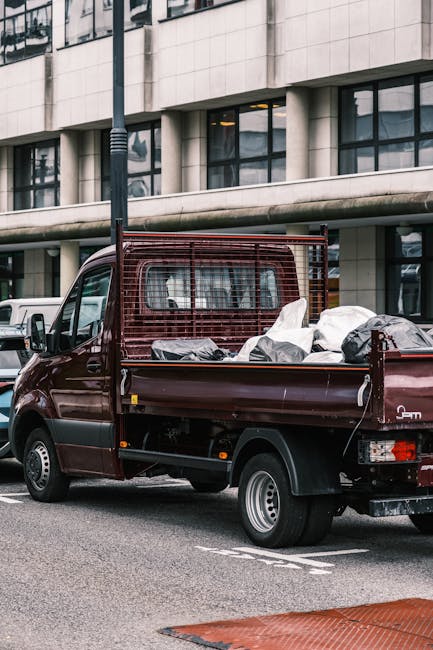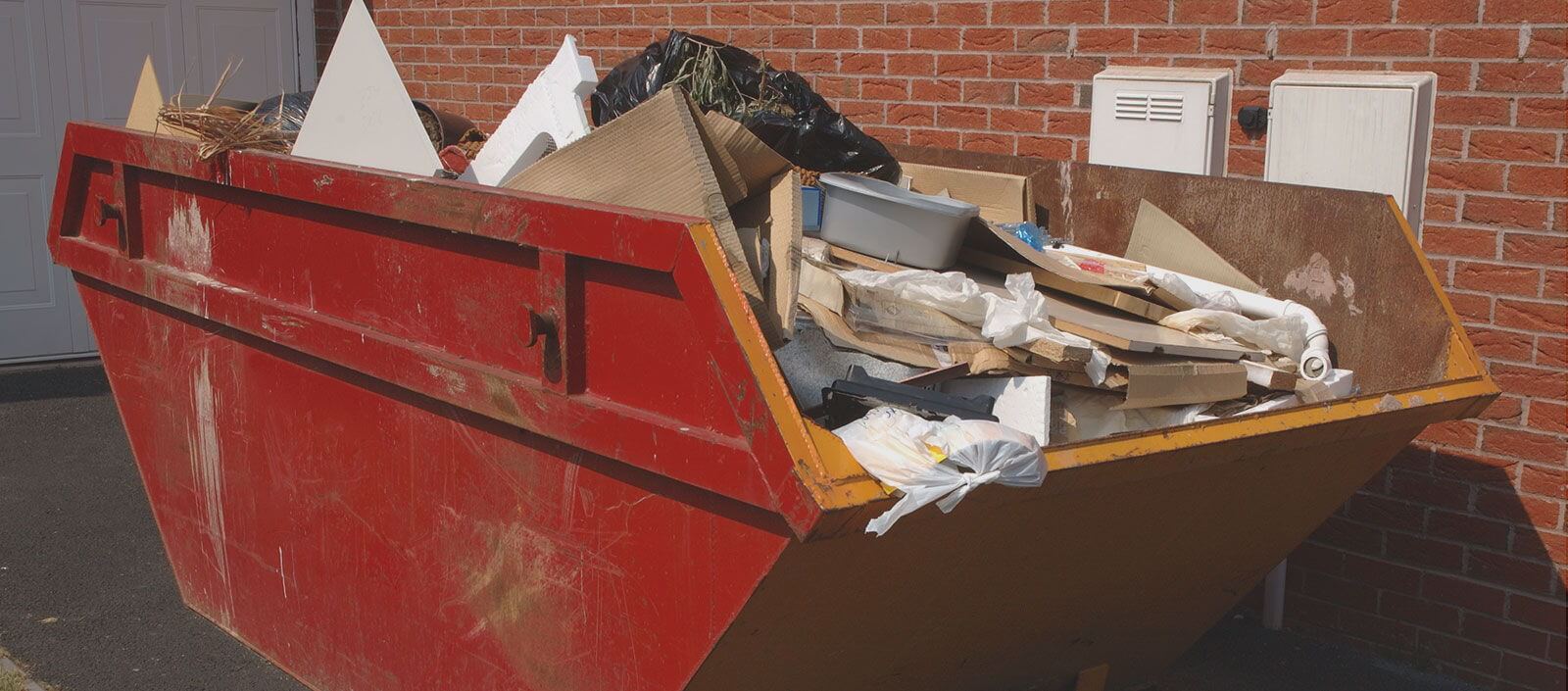
Wandle Park bulky rubbish pickup rules and tips
Posted on 16/07/2026
If you live near Wandle Park and you've got an old sofa, broken wardrobe, mattress, or a pile of heavy bits that simply will not fit in the weekly bin, you're probably asking the same thing everyone asks eventually: what are the bulky rubbish pickup rules, and how do you avoid a costly mistake? The short answer is that bulky waste is manageable, but only if you plan it properly. In this guide, we'll walk through the practical rules, the everyday tips that actually help, and the small details people often miss when arranging a collection in and around Wandle Park.
You'll also see where a professional waste collection service can save time, reduce stress, and keep things tidy. Truth be told, bulky waste is one of those jobs that looks simple until you're standing in the hallway with a sofa that won't turn the corner. So let's make it easier.
Why Wandle Park bulky rubbish pickup rules and tips Matters
Bulky waste is not just "bigger rubbish". It behaves differently. A cracked chest of drawers, a freezer, a mattress, or building leftovers can be awkward to carry, hard to separate, and easy to dump badly if people rush. Around Wandle Park, where streets, driveways, and parking space can be tight, the rules matter because they help prevent clutter, obstruction, fly-tipping, and avoidable safety issues.
There's also the human side. Left-out furniture can block pavements, attract rain, collect grime, and create that slightly miserable "something's been left here for days" look. Nobody wants that outside their home or business. If waste is handled neatly, the whole area feels calmer and more cared for. A small thing? Maybe. But it adds up.
Good rubbish handling also supports recycling and reuse. In practice, the cleaner and better sorted the items are, the more likely they can be moved efficiently and directed into the right waste stream. If you want the broader picture of why proper disposal matters, this piece on the public health and environmental impact of poor waste management is a useful companion read.
Expert summary: If bulky items are sorted, accessible, and booked correctly, the pickup is usually quicker, safer, and far less stressful. Most problems come from poor preparation, not the waste itself.
How Wandle Park bulky rubbish pickup rules and tips Works
The exact process depends on which service you use, but the basic idea is straightforward. You identify the items, check what can and cannot be taken, prepare them for collection, and ensure the crew can reach them safely. That's the practical version. The real-world version is a bit messier, because people often discover a hidden pile in the loft or realise too late that a wardrobe is half dismantled. Happens all the time.
For most household bulky waste jobs, the main expectations are:
- Items should be described honestly and accurately when booking.
- Collections should be arranged at a sensible time so access is clear.
- Hazardous or specialist items should be separated out before the pickup.
- Large objects should be made as easy to carry as possible.
- The collection point should be safe and not block exits, pavements, or shared access routes.
If you prefer a general overview of how a local waste service works, the services overview explains the broader range of collection and clearance options available. For regular household jobs, the domestic waste collection service is often the closest match. For one-off large-item removal, furniture-focused or full-house options may be more suitable.
What usually matters most is access. Can a team reach the front of the property? Is there a lift, a narrow staircase, or a long walk from the curb? Do you live on a busier road where timing matters? These details change the whole job. A ten-minute collection can become a 30-minute carry if the access plan is not thought through.
Key Benefits and Practical Advantages
Following bulky rubbish pickup rules may not sound exciting, but it saves real time and real headaches. And yes, a bit of thought upfront often costs less than sorting out a missed item or a wasted journey later.
- Faster collections: Clear access and accurate item details help the crew finish more efficiently.
- Lower risk of damage: Proper preparation reduces scuffs on walls, doorframes, and flooring.
- Safer lifting: Heavy items are easier to manage when they are broken down first.
- Less stress: You know what's being removed, what stays, and what happens next.
- Better recycling outcomes: Separating items can improve reuse and recycling potential.
- Cleaner kerbside presentation: Your property looks tidy, which matters more than people admit.
There's another subtle benefit: good preparation makes it easier to compare collection options. If you know exactly what you have, you can decide whether a standard furniture removal makes sense, or whether you need something broader like house clearance or loft clearance. That clarity alone can save a lot of back-and-forth.
Who This Is For and When It Makes Sense
This topic is relevant to far more people than you might think. In our experience, bulky pickup questions usually come from one of these situations:
- You're replacing old furniture after a move or renovation.
- You've got damaged white goods that are no longer safe to keep.
- You're clearing a rented property before handover.
- You run a small office and need old desks or chairs removed.
- You've done some DIY and are left with awkward waste.
- You simply want the clutter gone without hiring a skip.
It also makes sense if you want a tidy, predictable pickup rather than guessing what can fit into a bin or waiting around for a council collection that may not match your timetable. For some people, the main aim is speed. For others, it's making sure waste goes to the right place, which is fair enough. If you value environmental responsibility, you may also want to look at the company's recycling and sustainability approach.
Local context matters too. Wandle Park sits within an area where people care about the look and feel of the street. That's one reason many residents prefer a neat, booked collection over leaving items out and hoping for the best. One day it's a sofa. Two days later it's attracting "helpful" extra dumping. Not ideal.
Step-by-Step Guidance
Here is the simplest way to handle bulky rubbish pickup without drama.
- List every item. Walk through the rooms and note what is going. Don't rely on memory alone. It lies.
- Separate materials. Put furniture, wood, metal, garden waste, and appliances into sensible groups where possible.
- Check for prohibited or specialist items. Some materials need special handling, so identify anything unusual early.
- Measure awkward pieces. If it has to get through a staircase or a narrow hallway, measure first.
- Make items easier to move. Remove drawers, legs, cushions, loose shelves, or detachable parts.
- Clear the route. Move shoes, bikes, plant pots, bins, or anything else that could snag the team.
- Choose the right collection type. A single sofa is not the same as a full flat clearance.
- Confirm the booking details. Make sure the provider knows what's there, where it is, and how access works.
- Set items out safely. Do not block exits, doors, or public pathways.
- Keep the final area checked. A last look often catches small items people forgot.
If your pile has grown beyond "a few bits" and into full declutter territory, it may be more efficient to book furniture removal or even a broader waste removal service. For a home that is being emptied from top to bottom, a house clearance may be the better fit.
Expert Tips for Better Results
Here's where the small wins live. The rules keep the job legal and tidy, but the tips make it smoother.
- Take photos before you book. It helps you describe the load accurately and avoid "surprise" items on the day.
- Group items by room. That makes loading quicker and helps you notice if something is missing.
- Keep one path clear. Even a narrow route is better than none.
- Break down what you can. Flat-pack pieces are much easier to carry than a fully assembled unit.
- Mind the weather. In wet weather, cardboard, fabric, and soft furnishings can become heavier and messier fast.
- Plan around neighbours and parking. A little consideration goes a long way in a close-knit street.
- Ask about sorting. Good services will usually separate items for reuse, recycling, or disposal where practical.
If your bulky waste includes appliances, you may need a specialist appliance route. The white goods and appliance disposal service is the more sensible option for fridges, freezers, washing machines, and similar items. For items that are still usable but just no longer wanted, ask whether reuse or donation-style handling is possible. Not always, but sometimes.
A quick human tip: if you're clearing a room with carpet, put a sheet or old blanket down near the exit. It sounds tiny, but it can save a lot of dragging noise and that awful scrabbling sound on the stairs at 8 a.m.

Common Mistakes to Avoid
Most bulky waste problems come from a handful of very ordinary mistakes. Nothing dramatic. Just the kind of thing that happens when people are busy.
- Leaving the booking too late: That often leads to rushed decisions and poor item descriptions.
- Mixing different waste types together: It can slow the crew down and complicate sorting.
- Assuming everything can be taken: Always check first if an item is specialist or hazardous.
- Forgetting access issues: Narrow stairs, locked gates, and parked cars can derail the job.
- Putting items out too early: This can look untidy and may invite extra dumping.
- Underestimating volume: A "small pile" in the spare room somehow becomes three cubic metres by evening. Funny how that happens.
A particularly common mistake is booking a standard collection when the job is really an office or commercial clear-out. If you're clearing work premises, a dedicated commercial waste removal service is often more appropriate. Likewise, offices usually benefit from a targeted office clearance rather than piecemeal removal.
Another one: people sometimes keep old mattresses, broken furniture, or DIY waste "just for a week". Then the week becomes six months. If it's already in the way, get it handled now. Future-you will be grateful.
Tools, Resources and Recommendations
You do not need fancy equipment for a bulky pickup, but a few simple tools help enormously.
- Tape measure: For checking staircase, door, and gate widths.
- Marker pen and tape: To label items that should stay, go, or be recycled.
- Gloves: Handy for sharp edges, splinters, and dusty loft items.
- Blankets or old sheets: Good for protecting walls and floors during removal.
- Screwdriver or drill: Useful for dismantling furniture beforehand.
- Phone camera: Great for logging the load and sharing details with the collection team.
For broader planning, it helps to look at pricing, payment, and policy pages before you book. If you want to understand costs and how quotes are handled, see pricing and quotes. If you prefer to know how payments are managed, payment and security is worth a quick read. And if you want reassurance about the operator's standards, the waste carrier licence and compliance information is a sensible place to check.
Sometimes people ask whether they should just hire a skip instead. Maybe. But for many bulky waste jobs, an on-demand collection is cleaner, faster, and less awkward in a residential street. If the pile is mixed, heavy, and a bit random, a pickup is often the calmer choice.
Law, Compliance, Standards, or Best Practice
Bulky rubbish collection sits under the same broad expectations as other waste handling in the UK: waste should be stored safely, transferred responsibly, and taken by a proper waste carrier. You do not need to become a legal expert, but you do need to be careful about who removes your waste and where it ends up.
Here are the practical compliance points that matter most:
- Use a legitimate carrier: A reputable provider should be able to show they are properly registered and working compliantly.
- Do not leave waste where it blocks the public highway: Pavements and shared access areas should stay clear.
- Separate hazardous items: Paints, chemicals, and similar materials often need special handling.
- Keep an item list: It helps with accuracy, accountability, and dispute-free collections.
- Follow site-specific instructions: If there are building rules, estate rules, or shared-access rules, they matter.
Best practice is usually simple: be accurate, be tidy, and be honest about what is being collected. That alone prevents most of the awkward situations. If you are unsure whether a provider operates responsibly, the company's about us page can help you understand who they are and how they work. And if you care about the wider environmental side, the sustainability page mentioned earlier is worth another look.
One more practical note: if you are arranging clearance after building work, the rules around access, dust, and sharp materials become even more important. In those cases, a dedicated builders waste disposal option is usually the safer bet.
Options, Methods, or Comparison Table
There are usually three sensible ways to deal with bulky rubbish around Wandle Park. Which one fits depends on the amount, the type of waste, and how quickly you want it gone.
| Method | Best for | Pros | Watch-outs |
|---|---|---|---|
| Book a bulky waste pickup | Single items or a modest pile | Convenient, quick, less hassle | Needs clear item details and access |
| Use a clearance service | Large room, loft, or full property | Handles more waste in one go | Can be overkill for one or two items |
| Separate specialist disposal | Appliances, mixed materials, or awkward loads | Better sorting and safer handling | Requires more planning |
As a rule of thumb, if you're getting rid of one or two pieces of furniture, a targeted furniture service may be enough. If the job is "we finally emptied the spare room and it's full of old life", then a broader rubbish collection or clearance is more realistic. For garden-heavy jobs, consider garden waste removal instead of mixing branches, soil, and furniture into one vague pile.
There's no prize for making the job harder than it needs to be.
Case Study or Real-World Example
Picture a typical Wandle Park household on a Saturday morning. The spare room has become storage. There's an old two-seater sofa, a broken TV stand, a mattress, and a couple of boxes from a recent clear-out. The owner originally thought, "I'll just put it all out together." Then they realised one item was too heavy to carry alone, the hallway is narrow, and the front path is shared.
So they did what usually works best:
- They photographed the items and checked the approximate sizes.
- They moved loose bits into one corner so the route was clear.
- They separated anything that looked like general waste from the furniture.
- They booked a collection with accurate item details.
- They left the access point clear and kept the area tidy.
The result? Much less stress. No awkward dragging. No blocked path. And the room was usable again by lunchtime, which is the kind of small victory that feels surprisingly good. Honestly, it's the sort of thing you notice in the quiet after the van has gone and the room suddenly looks bigger.
That same approach works well for local residents doing a larger end-of-tenancy job too. In many cases, a combination of furniture disposal, domestic collection, and a small amount of pre-sorting is enough to turn a messy day into a manageable one.
Practical Checklist
Use this checklist before your bulky rubbish pickup.
- Have I listed every item that needs removing?
- Do I know whether any item needs specialist handling?
- Have I measured awkward furniture or appliances?
- Is the access route clear from the item to the exit?
- Have I removed loose parts, drawers, or detachable sections?
- Are items grouped in a sensible way?
- Have I avoided blocking doors, pavements, or shared access?
- Do I know what happens if additional items turn up on the day?
- Have I checked the collection details carefully?
- Is the provider appropriate for the type of waste I have?
If your list starts to look more like a full property clear-out, it may be time to consider a specialised package such as loft clearance, office clearance, or a broader waste removal option. Better to choose the right job once than rebook twice.
Conclusion
Wandle Park bulky rubbish pickup rules and tips come down to a few simple habits: know what you have, prepare it properly, keep access clear, and use the right type of collection. Do that, and the process becomes far easier than most people expect. Skip those basics, and even a small pile can turn into a frustrating mess.
The good news is you do not need to overthink it. A little planning, sensible sorting, and the right local service usually make the whole thing feel surprisingly straightforward. And once the bulky waste is gone, the space feels lighter. Quietly better. Like you can breathe a bit easier in your own home again.
Get a free quote today and see how much you can save.
If you want the simplest next step, compare your items, check access, and choose the service that matches the job rather than guessing. That one decision saves more trouble than most people realise.