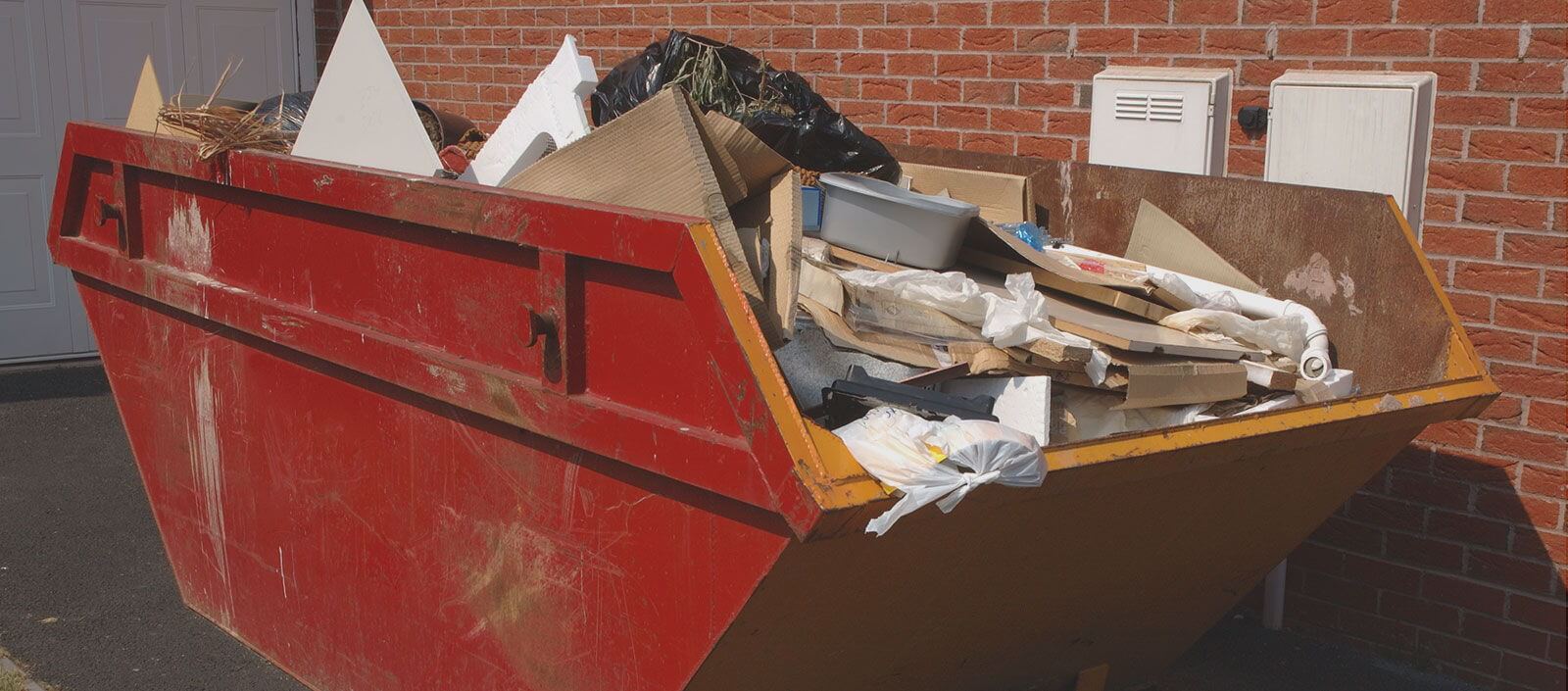
Rubbish removal near Colliers Wood station insider tips
Posted on 20/06/2026

If you are trying to sort out rubbish removal near Colliers Wood station, the tricky part is not usually the lifting. It is the timing, access, and making sure the job is handled properly without turning a simple clearance into a half-day headache. Station areas can be busy, parking can be awkward, and one small delay has a funny way of becoming three. Truth be told, that is where the insider tips matter most.
This guide breaks down how local rubbish collection and waste removal works around Colliers Wood station, what to ask before you book, how to avoid common mistakes, and which services suit different situations. You will also get practical advice on compliance, price awareness, and the small details that make a big difference on the day.
- Why this matters near the station
- How rubbish removal works here
- Benefits and practical advantages
- Who it is for
- Step-by-step guidance
- Expert tips for smoother removal
- Common mistakes to avoid
- Tools, resources and recommendations
- Law, compliance and best practice
- Options and comparison
- Real-world example
- Practical checklist
- Conclusion
- Frequently asked questions
Why Rubbish removal near Colliers Wood station insider tips Matters
The area around Colliers Wood station has the kind of steady movement that makes rubbish removal feel a bit more complicated than it should be. You have commuters, narrow windows for vehicle access, nearby businesses, and the usual London reality of limited kerb space. If you do not plan properly, even a small domestic clear-out can end up costing more time and effort than the waste itself is worth.
That is why local know-how matters. A good plan helps you avoid double handling, missed collection slots, awkward parking issues, and the dreaded "we'll have to come back tomorrow" moment. And if you are dealing with heavier loads, like broken furniture or builder's debris, local experience becomes even more useful. A team that understands the area can often work faster and with less disruption.
There is also the environmental side. Poor waste management is not just untidy; it can create health and nuisance problems if rubbish is left too long, especially in shared spaces. If you want a broader look at that issue, the article on how poor waste management affects health and the environment gives useful context.
Expert takeaway: Near a station, speed is helpful, but planning is what really saves money and stress.
How Rubbish removal near Colliers Wood station insider tips Works
At a practical level, rubbish removal near the station usually follows a simple pattern: you identify what needs removing, choose the right service, agree access details, and get the waste loaded and taken away. The process sounds straightforward. The actual day can be a bit more nuanced, especially if access is tight or the waste is mixed.
Most jobs fall into one of three categories: household rubbish, bulky items, or trade waste. Household jobs might include old bags, cardboard, small clutter, and general domestic waste. Bulky loads often involve furniture disposal, appliances, mattresses, or a few awkward items that would be a nightmare on public transport. Trade and renovation waste can include timber, plasterboard, broken fixtures, packaging, and mixed builder's waste.
If your load is mainly domestic clutter, a domestic waste collection in Colliers Wood is often the cleanest fit. If it is a bigger mixed load, the broader waste removal Colliers Wood service may make more sense. For repeated business waste, you are usually better off with a scheduled commercial arrangement rather than a one-off clear-out.
The better operators will usually ask for a description or photos before attending. That helps them estimate labour, vehicle size, and the likely loading time. That sounds minor, but it really is the difference between a tidy visit and a slightly chaotic one. You know the sort of thing: bags stacked in a hallway, a wardrobe that will not quite fit through the door, and someone suddenly remembering the loft is also full.
Key Benefits and Practical Advantages
There are a few reasons people prefer organised rubbish removal over trying to do it all themselves near Colliers Wood station. Some are obvious. Others only become obvious after you have tried to carry a broken sofa to a van at 8:30 in the morning while commuters are everywhere. Not ideal.
First, it saves time. A proper removal team can often clear a load in one visit, which matters if you are working around office hours, tenant handovers, or a weekend move. Second, it reduces physical strain. Heavy lifting is where most people regret their optimism. Third, it can improve sorting and recycling outcomes if the waste is separated properly from the start.
It also gives you more confidence that the waste is handled responsibly. If you are comparing providers, look for evidence of compliance, insurance, and sensible working practices. The site's waste carrier licence and compliance information is a useful reminder of what responsible waste transport should look like.
And if you are pricing up several jobs at once, the ability to compare clear, structured quotes is valuable. A transparent approach helps you understand what you are paying for instead of staring at a vague number and hoping for the best.
| Benefit | Why it matters near the station | Typical real-world effect |
|---|---|---|
| Faster turnaround | Busy roads and limited parking reward good timing | Less disruption to your day |
| Better access planning | Station traffic can make loading windows tight | Fewer delays and fewer call-backs |
| Safer handling | Bulky or heavy items need controlled lifting | Lower risk of injury or damage |
| Smarter disposal | Mixed loads need proper sorting | Better recycling and less waste |
Who This Is For and When It Makes Sense
Rubbish removal near Colliers Wood station is not just for people with a full house of junk. It makes sense for quite a wide range of situations.
- Homeowners clearing spare rooms, garages, sheds, or post-renovation mess.
- Tenants needing a fast clear-out before moving out or handing back keys.
- Landlords and letting agents dealing with left-behind items or end-of-tenancy rubbish.
- Office managers replacing furniture or removing old equipment.
- Builders and trades with site waste that needs collection and proper handling.
- Shops and small businesses that cannot afford clutter sitting behind the counter for weeks.
It also makes sense when the item is awkward rather than numerous. One sofa, one fridge, one broken desk chair collection, for example, can be more hassle than people expect. If that sounds familiar, a focused service such as furniture removal in Colliers Wood or white goods and appliance disposal may be the better route.
For larger household jobs, especially where there are multiple rooms involved, services like house clearance in Colliers Wood or loft clearance can be much more efficient than trying to piece the job together yourself.
Step-by-Step Guidance
If you want the smoothest possible experience, the best approach is to treat the removal like a small project. Nothing dramatic. Just organised.
- List what needs going. Write down the items or take clear photos. Be honest about size and quantity. The "just a few bits" description is charming, but rarely accurate.
- Separate the waste by type. Keep metal, wood, garden material, appliances, and general rubbish apart where possible. It helps with pricing and recycling.
- Check access. Measure doorways, staircases, and any awkward corners. Near the station, also think about where a vehicle can actually stop without causing problems.
- Choose the right service. For regular business waste, commercial collection is sensible. For a one-off clear-out, a single visit may be enough.
- Confirm timing. If your street gets busy, avoid peak commuter periods where possible. Morning collections can work well, but only if access is realistic.
- Ask about disposal and recycling. A good provider should be able to explain how they handle sorting, re-use, or recycling without making it sound mysterious.
- Prepare the items. Bag loose rubbish, unplug appliances, and clear a path. Small effort, big payoff.
One detail people miss all the time: if an item is bolted in, fixed to a wall, or hiding under a tangle of cables, say so in advance. It saves time and avoids surprises. Surprises are lovely in birthdays, less so in rubbish removal.
Expert Tips for Better Results
Here are the bits that tend to separate a smooth clearance from a slightly messy one.
- Book with realistic timing. If you need access to a building, do not leave the booking for the same hour as a lease handover or delivery slot.
- Photograph the load in daylight. Early morning light or late afternoon shadows can hide volume. If you send images, include a couple from different angles.
- Leave a clear route. Even a decent team works faster when there is no need to step over boxes, shoes, and a very determined lamp.
- Ask what is excluded. Hazardous items, certain electrical goods, or unusual materials may need special treatment.
- Use room-by-room staging. If you are clearing a flat, pile items by room so the team can work through the job logically.
- Think about mixed loads early. Builder's waste, garden waste, and household items are not always treated the same way, so grouping them helps.
A quiet insider tip: if you are near the station and have flexibility, choose a collection window that avoids the busiest school-run and commuter overlaps. It sounds simple, but it can shave real time off the visit. And in London, time is not exactly a bonus item.
If your project involves garden tidying as well as indoor waste, a dedicated garden waste removal service can keep green waste separate from general household clutter. That is usually better for sorting and a bit easier to explain on the day.

Common Mistakes to Avoid
Most problems are avoidable. Most of them. A few are just life. But many come down to rushing or assuming a provider will magically guess what you mean.
- Not describing the load properly. "A few bits" can mean anything from two bin bags to a small mountain.
- Forgetting access restrictions. Low bridges, narrow roads, timed gates, and permit issues can all complicate things.
- Mixing unsuitable items together. Electricals, rubble, garden waste, and household waste may need different handling.
- Leaving packing until collection day. That is how simple jobs become stressful ones.
- Choosing a provider on price alone. Cheap is great right up until something is missed or handled badly.
- Ignoring compliance. Waste should be transported by a properly authorised carrier, not by someone with a van and a vague confidence level.
And a small one that catches people out near transport hubs: do not assume loading will be effortless just because the area looks central. Station-side traffic and parking limitations can turn five minutes into fifteen quite easily. It happens.
Tools, Resources and Recommendations
You do not need a lot of equipment to prepare rubbish for collection, but a few simple tools make life easier:
- Heavy-duty bin bags for light, loose waste.
- Cardboard boxes or tubs for small mixed items.
- Gloves for sorting, especially if the waste has sharp edges or dust.
- Tape and labels to mark items that are staying or going.
- Phone camera for quick photos when getting a quote.
- Measuring tape for awkward furniture or appliance access.
For service planning, the site's services overview is a good starting point because it helps you match the job to the right type of collection. If you need to understand how rates are explained, the pricing and quotes page is also worth a look.
For trust and company background, it can help to review the about us page as well as the business's approach to insurance and safety. These are not flashy details, but they matter when someone is entering your property and handling heavy objects.
Law, Compliance, Standards, or Best Practice
In the UK, responsible waste removal should follow normal legal and industry expectations around waste carrier licensing, safe handling, and lawful disposal. You do not need to become a legal expert to book a rubbish collection, but you do want to know the basics.
At a practical level, that means checking the provider can explain how waste is transported, where it is taken, and how different waste types are managed. Good operators are usually open about this. If someone gets cagey when you ask, that is not a great sign.
Best practice also includes separating recyclable material where possible, handling electrical items appropriately, and taking care with heavier goods. When in doubt, ask before the collection day. It is far better than guessing and hoping the crew sorts it out for you. Sometimes they can, sometimes they can't, and sometimes it creates extra cost.
If you want to dig into sustainability considerations, the page on recycling and sustainability gives a helpful picture of how more responsible waste handling is approached. For payment confidence and online security concerns, there is also payment and security, which is reassuring if you prefer to know where money-related processes stand before you confirm anything.
There are also wider policy and ethics pages on the site, including modern slavery statement, terms and conditions, privacy policy, cookie policy, and accessibility statement. You may not need them every day, but they are part of a trust-first service setup.
Options, Methods, or Comparison Table
Choosing the right method depends on what you are clearing, how fast you need it done, and whether the job is a one-off or recurring. Here is a simple comparison to help.
| Option | Best for | Pros | Watch-outs |
|---|---|---|---|
| Bagged rubbish collection | Domestic clutter and general light waste | Quick, simple, tidy | Not ideal for heavy or bulky items |
| Bulky item removal | Sofas, wardrobes, appliances, mattresses | Good for awkward loads | May need extra access planning |
| House clearance | Whole rooms, full properties, end-of-tenancy jobs | Covers mixed contents efficiently | Needs clearer scope and staging |
| Office clearance | Desks, chairs, filing, equipment | Useful for business handovers | Often needs off-hours scheduling |
| Builder's waste disposal | Renovation debris and site rubbish | Good for trade or DIY projects | Heavier loads require stronger planning |
If your job is mostly renovation-related, the specialist builders waste disposal in Colliers Wood page may be the most relevant route. For office moves, the same logic applies to office clearance. The method matters. A lot.
Case Study or Real-World Example
A small cafe-style office near the station recently needed to clear out old shelving, packaging waste, a few broken chairs, and an appliance that had given up on life. The team had only a short window between opening and the lunchtime rush, so access mattered more than anything else.
Instead of trying to remove everything in a single last-minute stack, the owner staged items the evening before, separated recyclable cardboard from mixed waste, and cleared the rear access route. The collection itself was straightforward because the hard work had already happened in advance. No drama, no wandering around deciding what to take first.
That same sort of preparation works for homes too. A resident clearing a one-bedroom flat near the station can save an enormous amount of time by grouping furniture, bagged waste, and odd items separately. It sounds almost too simple to mention, but it is often the difference between "sorted by midday" and "still not finished after lunch."
For businesses in particular, a planned service such as commercial waste removal in Colliers Wood is often a better fit than ad hoc clearances. Stable routines usually beat improvised ones. In rubbish, as in life, honestly.
Practical Checklist
Before collection day, work through this quick list.
- Take photos of the waste from more than one angle.
- Separate general waste, furniture, appliances, and garden material.
- Check whether any items need dismantling first.
- Measure narrow doors, stairs, and lift access if relevant.
- Confirm where a vehicle can stop safely near the station area.
- Clear pathways inside and outside the property.
- Keep documents, valuables, and personal papers away from clearance items.
- Ask about recycling, disposal, and what happens to mixed loads.
- Double-check the booking time and any site access rules.
- Make sure someone is available to answer questions on arrival.
If you are dealing with a full-property clear-out, add one more item: decide what stays before the crew arrives. That saves arguments, which, to be fair, nobody needs on a busy day.
Get a free quote today and see how much you can save.
Conclusion
The best rubbish removal near Colliers Wood station is rarely the flashiest option. It is the one that understands access, arrives prepared, handles the waste properly, and keeps your day moving. A little local planning goes a long way, especially in a busy station area where parking, timing, and traffic can all bite if you are not careful.
If you remember just three things, make them these: describe the load accurately, plan around access, and choose a service that treats compliance and safety as normal, not optional. That is the real insider tip. Not glamorous, but very effective.
And once the rubbish is gone, the space feels different. Lighter. Calmer. A bit more usable. That part never gets old.