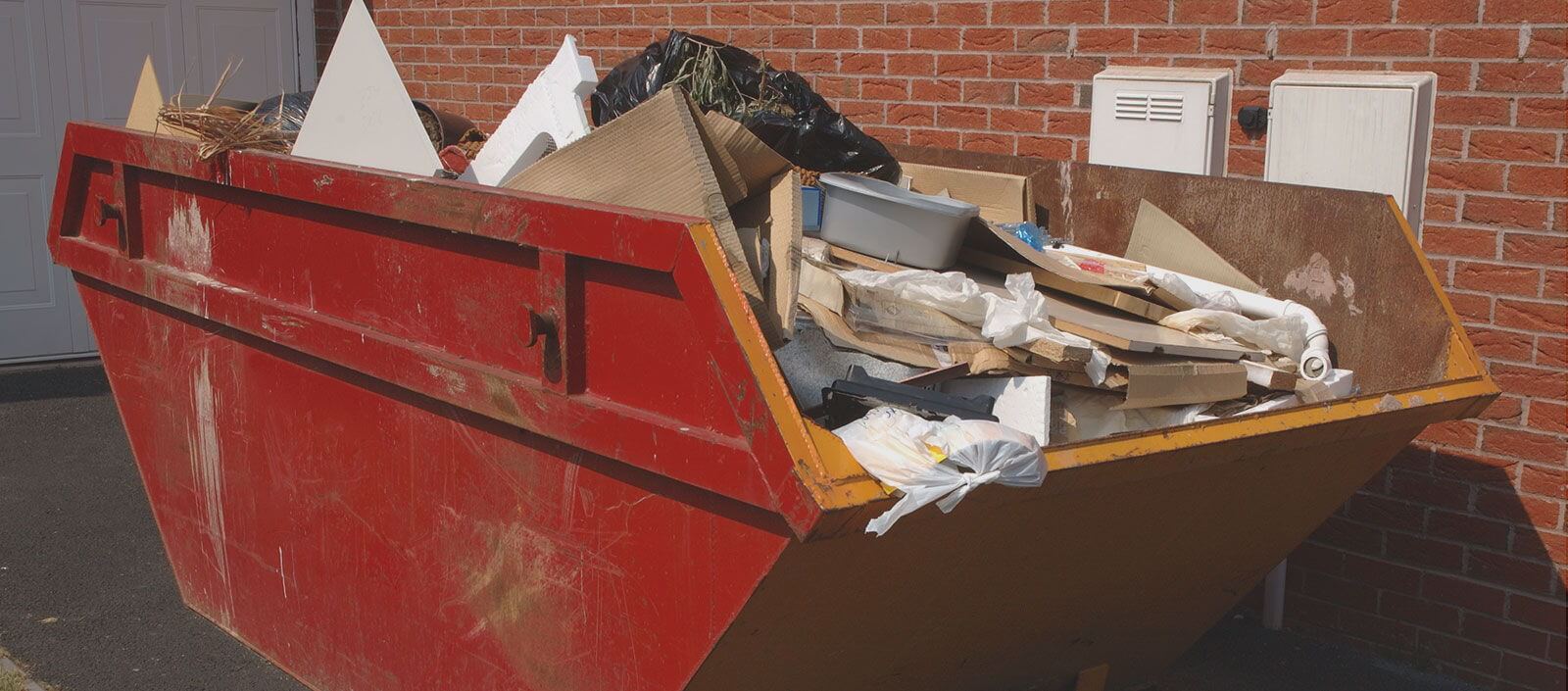
Household rubbish collection on Church Road Colliers Wood
Posted on 01/07/2026
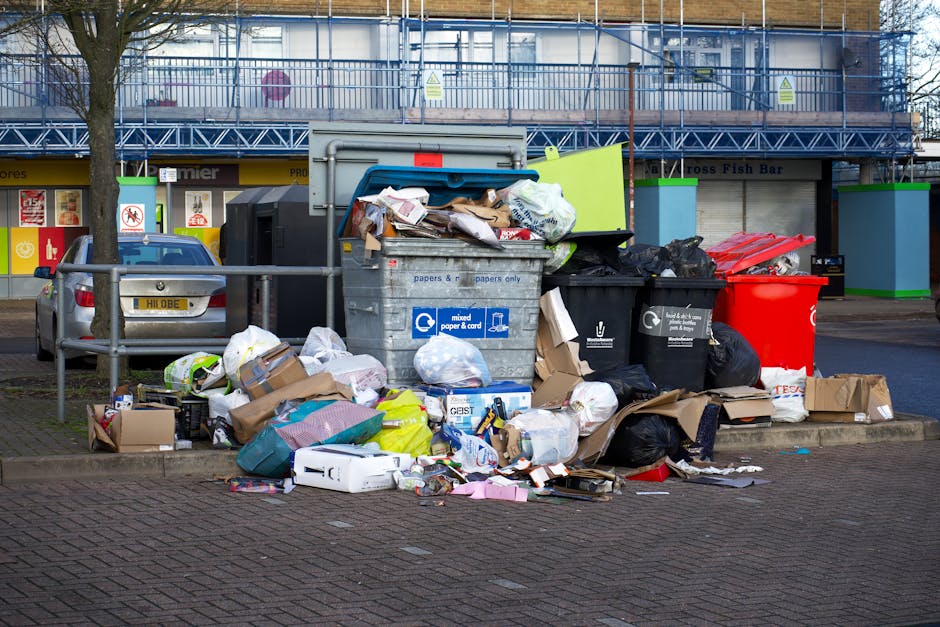
If you live or work around Church Road, you already know how quickly everyday waste can pile up. One week it is a broken chair by the hallway, the next it is old boxes, garden clippings, and a stubborn appliance taking up half the kitchen. Household rubbish collection on Church Road Colliers Wood is about more than just getting rid of clutter. It is about keeping homes tidy, avoiding stress, and making sure waste is handled properly, especially in a busy London neighbourhood where space is tight and timing matters.
In this guide, we will walk through how local household rubbish collection typically works, what to expect, how to choose the right approach, and the mistakes that can turn a simple clear-out into a nuisance. We will also cover practical advice for residents on Church Road, along with a few things people tend to overlook until they are already standing in the front room with two bin bags and a sigh. Let's make it straightforward.
- Why it matters
- How it works
- Key benefits and practical advantages
- Who it is for and when it makes sense
- Step-by-step guidance
- Expert tips for better results
- Common mistakes to avoid
- Tools, resources and recommendations
- Law, compliance, standards and best practice
- Options, methods and comparison
- Case study / real-world example
- Practical checklist
- Conclusion
- Frequently asked questions
Why Household rubbish collection on Church Road Colliers Wood Matters
Household waste sounds mundane until it starts affecting the way a home feels. Overflowing sacks, old mattresses, broken furniture, and mixed rubbish can quickly make a property feel cramped and unmanageable. On Church Road, where homes, flats, and side streets often sit close together, that matters even more. Waste left outside too long can attract vermin, create smells, and frustrate neighbours. Nobody wants to step out on a damp morning and be greeted by a pile of soggy cardboard and a half-split bag, do they?
Good rubbish collection also helps protect the wider area. Poorly managed waste does not stay neatly in one corner. It spreads through wind, rain, and careless handling. If you want a broader perspective on why this is a real issue, our article on how poor waste management affects health and the environment is a useful companion read.
There is also a practical local angle. Church Road sits in a part of Colliers Wood where people value convenience. A clean, organised home is easier to live in, easier to rent out, and easier to keep on top of. That applies whether you are a long-term homeowner, a tenant, or a landlord preparing a property between lets. In other words: waste collection is one of those invisible jobs that quietly supports everything else.
And if you are interested in the wider character of the area, you may enjoy reading locals discussing whether Colliers Wood is a good place to call home or a guide to Colliers Wood's suburban feel. Those pieces help explain why tidy streets and well-managed homes matter so much here.
How Household rubbish collection on Church Road Colliers Wood Works
At a basic level, household rubbish collection means arranging for unwanted domestic waste to be removed from your property and taken to an appropriate facility for sorting, recycling, reuse, or disposal. The details vary depending on what you need collected and how much there is. A few bin bags are different from a full clear-out after renovations, and broken furniture is different again. That sounds obvious, but it is where a lot of confusion starts.
Most local collection jobs follow a simple pattern. You identify what needs to go, separate items where sensible, book a suitable collection, and ensure access is clear on the day. For many homes, this can be as simple as placing bags or items in an agreed collection point. For larger jobs, the crew may need to remove items from inside the property, loft, or garden. If you are dealing with heavier domestic items, it can help to look at broader support such as domestic waste collection in Colliers Wood.
Some households only need a one-off uplift after a declutter, while others need recurring help because they have a busy family home, caring responsibilities, or limited storage. On Church Road, flats and smaller terraces often make bulky rubbish harder to manage than people expect. A staircase, narrow hallway, or parked car can turn a ten-minute job into a bit of a puzzle. Still manageable, just worth planning properly.
Typical collection categories include:
- General household rubbish and black bag waste
- Small mixed waste from decluttering
- Bulky items such as sofas, beds, and wardrobes
- Electrical items and white goods
- Garden cuttings and outdoor waste
- Waste from lofts, sheds, and house clearances
It is worth separating ordinary domestic rubbish from specialist items wherever possible. That makes collection easier, supports recycling, and reduces the chance of delays. If you only need a few items removed, a simple rubbish collection service may be the right fit. If you are clearing a whole room or more, a broader waste removal approach may be better.
Key Benefits and Practical Advantages
The most obvious benefit is space. Clearing rubbish from a home on Church Road immediately makes rooms easier to use. Suddenly the spare room can be a spare room again, not a storage depot for broken bits you have meant to deal with for months. That alone is often enough to justify the effort.
There is also a safety angle. Boxes stacked awkwardly, broken furniture, and overloaded hallways all increase the risk of trips and knocks. In family homes, that matters. In rented homes, it matters even more because a tidy, well-kept property tends to be easier to maintain between occupiers.
Then there is time. Household rubbish collection saves you from multiple trips to a disposal point, guessing the right vehicle size, or trying to fit a mattress into the back of a car that was never designed for it. To be fair, few people enjoy that part. Most would rather spend a Saturday doing something better, like literally anything else.
Other practical advantages include:
- Less stress: one planned collection is easier than several improvised runs
- Cleaner surroundings: fewer smells, less mess, and less visual clutter
- Better recycling outcomes: properly sorted waste is easier to divert from landfill
- Improved property presentation: helpful for landlords, sellers, and decorators
- More reliable handling: especially important for bulky or awkward items
There is a subtle but important benefit too: momentum. Once the waste is cleared, people often find it easier to tackle the next task, whether that is sorting a cupboard, clearing the loft, or finally dealing with the old fridge in the corner.
Who This Is For and When It Makes Sense
Household rubbish collection on Church Road Colliers Wood suits a wide mix of residents. It is not just for big clear-outs. Sometimes it is the smaller jobs that cause the most frustration, because they never quite justify a full day of sorting yet still sit there annoying you.
This service is often useful for:
- Homeowners doing a seasonal declutter
- Tenants moving out and needing a fast tidy-up
- Landlords preparing between tenancies
- Families dealing with bulky household items
- People without a car, van, or lifting help
- Older residents who need a simpler, safer option
- Busy professionals who would rather not spend the weekend managing rubbish
It also makes sense when the waste is too much for normal bins, too heavy to move alone, or too mixed to deal with in one go. Think of the post-renovation leftovers in a hallway, a garage that has become a forgotten graveyard of old toys and broken shelves, or a loft that has not been opened in years. We have all seen that one box. Nobody is quite sure what is inside anymore.
In some cases, household rubbish collection may overlap with other services. For example, if a home is being emptied completely, house clearance in Colliers Wood may be more appropriate. If the main issue is a sofa, bed, or dining set, furniture disposal or furniture removal could be the better route.
Step-by-Step Guidance
If you want the smoothest possible result, a little prep goes a long way. Here is a straightforward way to approach household rubbish collection without overthinking it.
- Identify what needs removing. Separate everyday rubbish, bulky items, electricals, and anything that may need special handling.
- Check access. Make sure hallways, entrances, and parking arrangements are workable. On Church Road, access can be the part people forget right up until collection day.
- Sort where practical. Put recyclable materials together if you can, and keep hazardous or restricted waste separate.
- Take quick measurements. Large furniture, appliances, or boxed items are much easier to quote for when dimensions are known.
- Choose the right collection type. A simple rubbish uplift is fine for general waste, while bigger jobs may need a full removal service.
- Be clear about what is included. Stairs, lofts, sheds, and heavy lifting can affect the job, so spell it out early.
- Prepare the space. Move smaller items out of the way so the collection team can work quickly and safely.
- Confirm the timing. If you are juggling school runs, deliveries, or work-from-home calls, a clear arrival window matters more than most people realise.
- Ask about sorting and disposal. Responsible operators will be transparent about what happens next.
One small but useful habit: photograph awkward items before collection. It sounds fussy, but it helps prevent confusion and means there is a visual record of what needs to go. Handy if you are organising on behalf of someone else, too.
Expert Tips for Better Results
In our experience, the best collections are the ones that feel almost boring on the day. No surprises, no last-minute scrambling, no "oh, and could you take this as well?" moments that should really have been mentioned earlier.
Here are a few expert-level tips that genuinely help:
- Group waste by type. Mixed piles take longer to process and can make recycling less efficient.
- Keep a clear path to the exit. Even a small obstacle slows everything down when bulky items are being moved.
- Be honest about weight and volume. A wardrobe in a photo is not always as friendly in person as it looks.
- Plan around neighbours. If access is shared, a little courtesy goes a long way.
- Use the same clearout to reset the room. Once the rubbish is gone, do the easy wipe-down or vacuum then and there.
If your waste includes garden cuttings after pruning, keep those separate where possible. Garden waste can often be handled differently from household rubbish, and it is usually easier to process when it is not mixed with food packaging or general junk. For more detailed support, see garden waste removal in Colliers Wood.
Another tip: if you are unsure whether an item counts as household rubbish or something else, ask before the collection date. That simple question can save a very awkward shuffle on the pavement later. Nobody wants that.
Common Mistakes to Avoid
Most collection problems are not dramatic. They are small, avoidable things that snowball. The good news is that once you know the pattern, you can sidestep it easily enough.
- Leaving everything until the last minute. Rushed sorting leads to missed items and poor decisions.
- Mixing regular rubbish with specialist waste. This can slow the job and create disposal issues.
- Underestimating bulky items. A single bed frame can take more room than three bags, which surprises people every time.
- Ignoring access constraints. Tight staircases, locked gates, and parking restrictions matter.
- Not checking what the collection includes. Some jobs include lifting from inside the property; others may not.
- Assuming all waste can be handled the same way. White goods, furniture, mixed rubbish, and builder leftovers each need different treatment.
One particularly common mistake is forgetting about items hidden away in lofts, cupboards, and sheds. The visible rubbish gets dealt with, then someone opens the loft hatch and finds another small mountain. Easy to miss, annoyingly common.
Tools, Resources and Recommendations
You do not need fancy equipment to organise household rubbish collection well. A few practical tools and habits are enough.
| Tool or resource | Why it helps | Best for |
|---|---|---|
| Strong bin bags and boxes | Helps separate waste neatly and reduces breakages | General household rubbish |
| Marker pen and tape | Makes sorting faster and avoids confusion | Mixed items, rooms being cleared |
| Measuring tape | Useful for bulky furniture and appliances | Large or awkward items |
| Phone camera | Creates a quick record of items to be removed | Quotes and job planning |
| Access notes | Helps avoid delays on the day | Flats, shared buildings, narrow roads |
For a broader overview of available support, the services overview page is useful. It gives you a sense of how different waste jobs fit together, whether you need a one-off collection, a house clear-out, or a more specialised removal.
If pricing is part of your decision-making, it is sensible to review the pricing and quotes information before booking anything. That helps you compare options with a clear head rather than guessing and hoping for the best.
And if you care about what happens to the waste after collection, you are not alone. More homeowners are looking for responsible handling and better recycling outcomes, which is why recycling and sustainability deserves a proper look.
Law, Compliance, Standards, or Best Practice
Waste collection is one of those things that feels simple until compliance comes into the conversation. In the UK, household waste must be handled responsibly, and anyone removing waste commercially should be able to show that they operate lawfully and traceably. That does not mean you need to become an expert overnight, but it does mean you should be cautious about who handles your rubbish.
A reputable waste carrier should be able to explain how waste is transported, sorted, and disposed of. If you are booking a collection for your home, it is perfectly reasonable to ask about licensing, insurance, and handling standards. Not because you are being difficult. Because you are being sensible.
For a plain-English explanation of those expectations, see waste carrier licence and compliance and insurance and safety. Those pages are especially helpful if you are comparing providers or you want reassurance that your waste is being managed properly.
Best practice usually means:
- clear descriptions of what is being collected
- appropriate handling of bulky and mixed waste
- safe lifting and access procedures
- transparent disposal arrangements
- respect for neighbours, shared spaces, and local access rules
If you are arranging collection for a house sale, tenancy change, or inherited property, it is also worth checking the provider's terms and conditions carefully. That small admin step can prevent a bigger headache later. You know how it goes.
Options, Methods, or Comparison Table
There is no single right way to deal with household rubbish on Church Road. The best option depends on volume, urgency, and what kind of waste you have. Here is a simple comparison to make the decision easier.
| Method | Best for | Strengths | Limitations |
|---|---|---|---|
| Bin-by-bin sorting | Small amounts of ordinary household waste | Low effort, familiar, cheap | Slow for bulky or mixed items |
| Self-transport to disposal point | Households with a suitable vehicle and spare time | Flexible, direct | Heavy lifting, time-consuming, messy |
| Standard rubbish collection | General domestic waste and small clear-outs | Convenient and straightforward | May not suit very large or specialised loads |
| Full waste removal service | Mixed waste, bulky items, larger domestic jobs | Efficient, less stress, handles lifting | Usually more expensive than DIY |
| Specialist item removal | Furniture, appliances, lofts, gardens, or house clearances | Best match for the waste type | Requires choosing the right service category |
For larger domestic jobs, you may also want to compare waste removal in Colliers Wood with more specific services like white goods and appliance disposal. The right choice depends on whether you are clearing a single item, a room, or an entire property.
Case Study or Real-World Example
A typical Church Road scenario goes like this. A household has been gradually stacking up items in a spare room: two old bedside tables, a damaged desk chair, a broken fan, several black bags from a loft sort-out, and an unused microwave. Nothing dramatic. Just enough to make the room feel smaller each week.
The family first tries to deal with it in bits and pieces, but the bags sit in the hall for days, and the furniture turns out to be awkward to carry down the stairs. Parking is tight, everyone is busy, and there is a school run to think about. By the time the collection is arranged properly, they realise the real problem was not the rubbish itself. It was the lack of a plan.
Once they separate the items, clear the route to the front door, and choose the right service for mixed household waste, the job becomes much smoother. The room is cleared in one visit, the hallway is tidy again, and the family gets the space back without a weekend lost to stress. Nothing glamorous, just practical relief. And honestly, that is often what people want most.
That kind of situation is also common when people are moving home or doing a larger clean-up around the station end of Colliers Wood, where quick access and efficient scheduling make a real difference. If that sounds familiar, this piece on rubbish removal near Colliers Wood Station may be useful.
Practical Checklist
Use this checklist before collection day. It keeps the whole process calmer and a lot more organised.
- List everything that needs removing
- Separate ordinary rubbish from bulky or specialist items
- Measure large furniture or appliances
- Check access, parking, and stairways
- Put smaller items into sealed bags or boxes
- Keep hazardous or restricted items separate
- Confirm what the collection includes
- Make sure pets and children are kept clear on the day
- Ask about recycling and disposal arrangements
- Keep a note of any special instructions for the crew
If you can tick off most of those before the team arrives, you are already ahead of the game. Small effort, big difference. Simple as that.
Conclusion
Household rubbish collection on Church Road Colliers Wood is ultimately about making home life easier, cleaner, and less chaotic. Whether you are clearing a few bags, a cluttered spare room, or a bulky old sofa that has overstayed its welcome, the key is to plan the job properly and choose the right type of collection for the waste you have.
Get the sorting right, keep access clear, and use a provider that treats compliance, safety, and responsible disposal as standard rather than an afterthought. That is the difference between a frustrating chore and a smooth, reassuring clear-out. And once the rubbish is gone, the house always feels lighter somehow. You notice the quiet again.
Get a free quote today and see how much you can save.