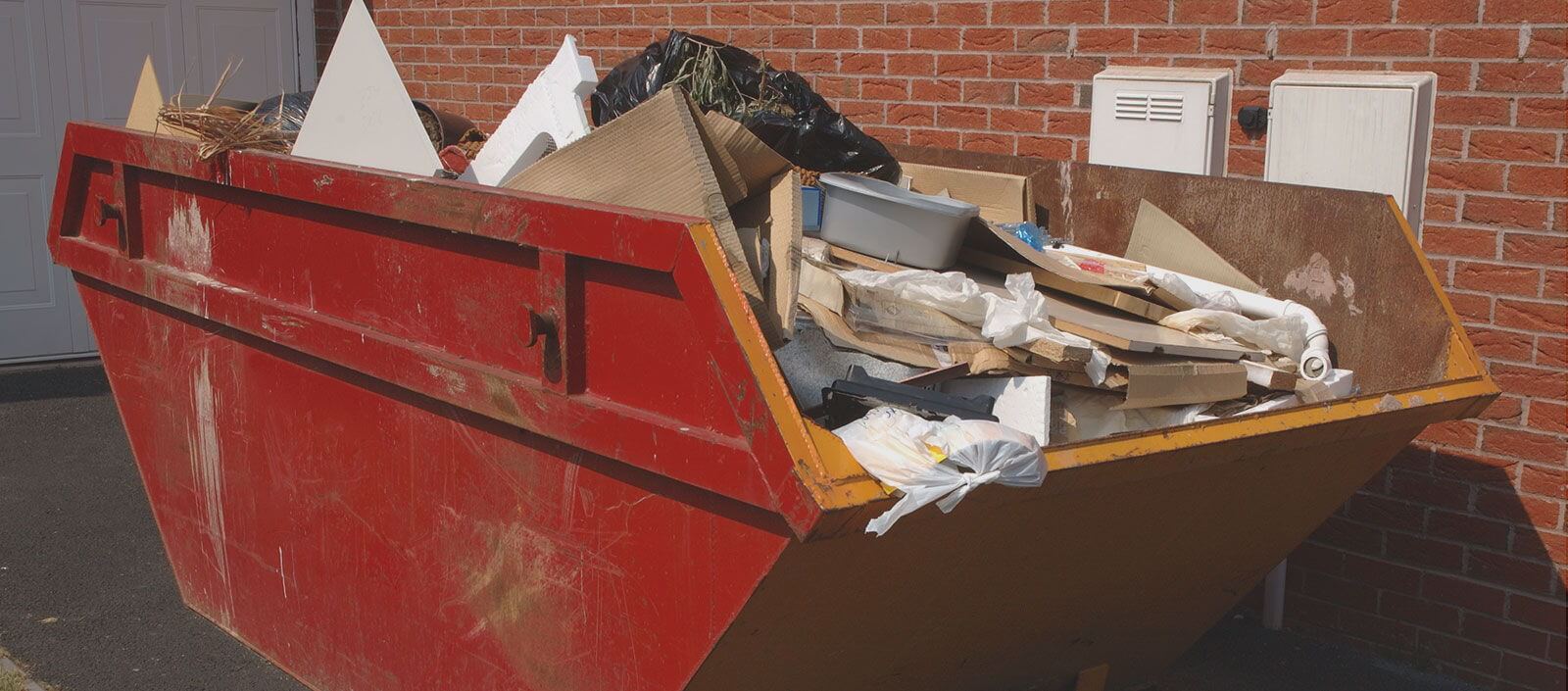
Hidden charges in Colliers Wood rubbish removal what to know
Posted on 09/10/2026
If you are comparing rubbish removal in Colliers Wood, the headline price is only half the story. The tricky bit is hidden charges: the small extras that can appear after the job starts, or when the quote looked neat but missed a few awkward details. And yes, it happens more often than people like to admit. This guide explains hidden charges in Colliers Wood rubbish removal what to know, how they arise, how to spot them early, and what a fair, transparent service should look like.
Whether you are clearing a flat near the station, getting rid of old furniture, or dealing with builders' waste after a quick renovation, the last thing you want is a bill that feels like it has wandered off on its own. Let's make this simple, practical, and a bit less stressful.
Quick takeaway: The cheapest quote is not always the cheapest job. A proper quote should explain labour, loading time, access, disposal, and any likely extras before anyone turns up at the door.

Why Hidden charges in Colliers Wood rubbish removal what to know Matters
Hidden charges matter because rubbish removal is one of those services where the final price depends on what is actually sitting outside your front door. A sofa is one thing. A sofa with a broken leg, a heavy mattress, a damp pile of carpet offcuts, and a third-floor walk-up is another. The difference can be legitimate, but only if it is explained clearly.
In Colliers Wood, that matters even more because homes and access points vary so much. You have flats above shops, terraced homes with narrow hallways, shared entrances, and the odd awkward parking spot that turns a simple collection into a bit of a shuffle. If a company does not factor in those realities, the quote may look attractive at first and then quietly grow. Not ideal.
There is also the trust factor. A transparent company helps you understand what is included and what might change. A vague company leaves room for disputes. If you have ever stood in the hallway while someone says, "Actually, there's a surcharge for that," you will know the feeling. Not great, is it?
Put simply, knowing where hidden charges come from helps you compare offers properly. You are not just shopping for price. You are shopping for clarity, reliability, and a clean handover at the end of the job.
How Hidden charges in Colliers Wood rubbish removal what to know Works
Most rubbish removal pricing is built around a few moving parts: volume, weight, labour, access, disposal route, and timing. Hidden charges usually appear when one of those parts was not asked about clearly enough, or when the job turns out to be more complex on arrival.
Here are the most common ways extra charges creep in:
- Volume estimates that were too optimistic: A quote based on "a few items" can change fast if the pile is larger in person.
- Heavy or awkward items: Items like baths, American-style fridges, mattresses, or builders' rubble can take more handling.
- Access difficulties: Long carries, stairs, no lift, narrow passages, or restricted parking can add labour time.
- Mixed waste: Combining green waste, wood, electricals, and general rubbish may alter disposal costs.
- Same-day or out-of-hours work: Urgency can affect the rate, especially if the team has to reshuffle schedules.
- Unexpected extras on site: If the job expands once the crew sees the full load, the estimate may need adjusting.
To be fair, not every extra cost is a "hidden" charge. Some are legitimate adjustments. The real issue is whether they were made clear before you agreed to anything. A good provider should tell you what could change the price and under what conditions.
If you are comparing services, it can help to look at the wider offer too. A clear services overview is often the fastest way to see whether a business explains its work in plain English. You may also want to check their pricing and quotes information before booking. That alone can save a lot of back-and-forth later.
Typical quote-to-bill pattern
In a straightforward job, the quote and the final bill should be closely aligned. In a less straightforward job, the company should flag any change before continuing. That might happen after photos are reviewed, after a site visit, or once the crew confirms the load on arrival. The key word is confirmation. Not surprise.
Key Benefits and Practical Advantages
It is not just about avoiding a bad deal. Transparent pricing has real practical benefits that make the whole process smoother.
- Better budgeting: You can plan around a real figure instead of guessing.
- Less stress on collection day: Nobody wants to renegotiate while standing in the rain with a broken wardrobe.
- Cleaner comparisons: Apples with apples, not apples with "maybe apples, maybe pears."
- Fewer disputes: Clear pricing cuts down the awkward conversation at the end.
- Better service fit: You can match the job to the right collection type, from domestic waste to furniture and appliance disposal.
There is also a subtle benefit people miss: transparency usually reflects how organised the company is. A business that explains pricing well often explains arrival times, loading expectations, and disposal routes well too. That does not guarantee perfection, obviously, but it is a useful signal.
If your clearance involves specific item types, it can help to look at dedicated pages such as furniture removal in Colliers Wood or white goods and appliance disposal. Narrower services often come with clearer expectations, which helps reduce those little pricing gremlins.
Who This Is For and When It Makes Sense
This topic matters for anyone booking rubbish removal in Colliers Wood, but it is especially useful if your job has more than one variable. Think of the person clearing a flat after a move, the landlord handling an end-of-tenancy pile-up, the homeowner with garden bags, or the small business owner getting rid of stockroom clutter. Each of those can trigger different pricing rules.
It also matters if you are:
- booking for the first time and unsure what "load size" actually means
- comparing several quotes that look very different
- dealing with bulky or heavy items
- working to a tight budget and need a firm figure
- worried about a crew adding extras once they arrive
Truth be told, hidden charges are less about the job itself and more about expectations. If you know what should be included, you can tell the difference between a fair adjustment and a vague upsell. That is the useful skill here.
And if your job is tied to a particular property type, the local context can help. A flat above a parade of shops near the high street is not the same as a driveway collection on a quiet residential road. The quote should reflect that reality.
Step-by-Step Guidance
Here is a practical way to reduce the chance of surprise costs. Keep it simple and methodical. No need to overcomplicate it.
- List everything you want removed. Be honest about the full pile, not just the easy bits.
- Take clear photos. Wide shots and a few close-ups help the provider judge volume and item type.
- Ask what is included. Labour, loading, transport, disposal, and VAT if applicable should all be clear.
- Ask about common extras. Check for stairs, access issues, heavy items, mattress fees, electrical items, or weekend surcharges.
- Confirm how pricing changes work. If the crew finds more waste on arrival, ask how they will agree any increase.
- Check the collection window. Same-day service can be handy, but it should be explained plainly.
- Get the final quote in writing if possible. A text or email summary is much better than relying on memory.
- Keep the area ready. Clear a path, unlock gates if needed, and separate items if that helps speed things up.
A tiny bit of prep can make a big difference. Sometimes it is the difference between "that was easy" and "why has this doubled?"
If you want a broader look at your options, the rubbish collection in Colliers Wood page can help you understand what type of service fits a smaller household job, while waste removal in Colliers Wood is useful when you want a more general overview. Simple pages, but handy ones.
A quick wording tip
When you ask for a quote, do not say only "How much for rubbish removal?" Say, "What is included, and what could change the price?" That one sentence tends to expose fuzzy pricing very quickly.
Expert Tips for Better Results
In our experience, the best way to avoid hidden charges is to think like the provider for a minute. What would make the job slower, heavier, or harder to access? If you mention those things upfront, you get a more realistic quote and fewer awkward surprises.
- Send photos in daylight: Morning or early afternoon photos are easier to judge than dark hallway snaps. A bit obvious, but it helps.
- Be specific about mixed waste: Say if you have plasterboard, green waste, furniture, or appliances mixed together.
- Ask about parking and loading distance: In London, this can matter more than people expect.
- Check the crew size: Some companies price for one person, some for two, and the difference matters on awkward jobs.
- Clarify whether the quote is based on estimate or fixed price: That single detail can save trouble later.
One of the most practical things you can do is compare not just cost, but certainty. A slightly higher quote with clear terms can be better value than a lower quote with a long list of "maybes."
Also, ask how the waste will be handled after collection. If a company talks openly about recycling and responsible disposal, that is usually a good sign. You can learn more from their recycling and sustainability information and their waste carrier licence and compliance page. That does not just reassure you on legality; it tells you the business takes the unglamorous parts seriously too.

Common Mistakes to Avoid
Most hidden-charge problems start with one of a handful of simple mistakes. None of them are dramatic on their own, which is exactly why they slip through.
- Only asking for the cheapest price: If two quotes are miles apart, ask why before deciding.
- Forgetting access details: Stairs, lifts, and parking distance matter.
- Not mentioning heavy items: A couple of bulky pieces can change the whole job.
- Assuming "all-in" means all-in: Ask what the phrase actually covers.
- Leaving waste spread across different rooms: That can add loading time.
- Ignoring cancellation or waiting-time terms: These can catch people out if plans change.
One particularly common issue is underestimating volume. It is easy to say, "It's just a bit of rubbish," when the pile is actually a small mountain in disguise. We have all done it. Well, maybe not all of us, but enough people.
If you are clearing a property after a bigger project, a more specific service may be more suitable. For example, builders' waste disposal in Colliers Wood is a better fit for renovation debris than a general household pickup. Matching the job to the right service reduces pricing confusion almost immediately.
Tools, Resources and Recommendations
You do not need fancy tools to avoid hidden charges. A phone, a pen, and a steady habit of asking clear questions will do most of the work. Still, a few simple resources can help.
- Photo set on your phone: Keep a few images of the waste from different angles.
- Written quote notes: Save the date, collection window, and any price conditions in one place.
- Room-by-room list: Useful when the waste is spread around the property.
- Item checklist: Good for furniture, white goods, and mixed loads.
- Service pages: Compare the description of the service against your actual job.
For homes with larger clearances, it may help to review house clearance in Colliers Wood or loft clearance. These services often involve access and labour questions that are easy to miss when you are focused only on price.
If the job is for a workplace, shop, or office, the quote should reflect business waste conditions rather than a domestic assumption. That is especially important for recurring or larger loads. A page like commercial waste removal gives a sense of how service scope differs when business premises are involved.
Law, Compliance, Standards, and Best Practice
For rubbish removal, compliance is not just a background issue. It is part of what you are paying for. A legitimate operator should be able to explain how waste is collected, transported, and handled responsibly. You do not need a lecture, just enough clarity to know the service is proper.
In practical terms, that means looking for evidence that the business follows accepted UK waste-handling practice, uses appropriate documentation where required, and can show how it deals with legal disposal routes. A waste carrier licence is an important part of that picture. So is a sensible approach to recycling and segregation, where possible.
Best practice also includes transparent communication. A company should not hide fees in the small print or spring new conditions at the kerbside. The quote should be understandable before the team starts lifting. If anything changes, it should be agreed, not assumed.
There are also sensible customer-side habits. If you are disposing of electricals, chemicals, paint, or other special items, mention them early. These items can have different handling rules and may affect price or acceptance. Better to be upfront than discover it too late. That's one of those lessons people learn once and never forget.
Options, Methods, or Comparison Table
Different rubbish removal options suit different jobs. The table below gives a practical comparison, especially when hidden charges are your main worry.
| Option | Best for | How pricing usually works | Hidden-charge risk | Good to ask before booking |
|---|---|---|---|---|
| General rubbish collection | Small household clearouts | Often based on volume and labour | Medium if access is poor | What counts as a load, and what extras apply? |
| Furniture removal | Sofas, beds, wardrobes | Based on item size, weight, and access | Medium to high for bulky pieces | Are stairs, disassembly, or heavy-item fees included? |
| House clearance | Whole-room or whole-property clearances | Usually estimate-led, sometimes fixed after photos | Lower if the scope is clear | Is the quote for everything listed, or only some rooms? |
| Builders' waste disposal | Renovation debris and rubble | Based on waste type, weight, and handling time | Higher because materials vary | Does the price include mixed construction waste? |
| Same-day collection | Urgent clearances | May include a priority or scheduling premium | Medium if urgency is not explained | Is the same-day fee already included? |
The comparison is not about choosing the "best" option in general. It is about choosing the option that fits your waste, your access, and your budget without surprises. That is where the real savings live.
Case Study or Real-World Example
Here is a very typical scenario. A resident in Colliers Wood wants to clear a small flat after replacing a sofa, a chest of drawers, and some bags of mixed clutter from a spare room. The first quote looks attractive because it is low and fast. But the company has only seen one blurry photo and has not asked about the fourth-floor walk-up, the narrow stairwell, or the fact that the sofa needs partial dismantling.
On arrival, the crew realises the job will take longer than expected. The customer is told there will be an additional charge for access and extra labour. No one is thrilled. The customer feels misled; the crew says they need to cover time and disposal. It's the sort of situation that leaves everyone slightly grumpy, which is a shame because the job itself was perfectly manageable with better information upfront.
Now compare that with a better version. The customer sends photos, explains the stairs, and mentions the sofa dimensions before booking. The company confirms whether the quote includes labour and access, and any possible adjustment is described in advance. Collection day arrives, the job is done, and the price is exactly what was discussed. Not exciting, perhaps, but beautifully boring. That is usually what people really want.
If the property is near a busy route or a local landmark, timing can matter too. For example, a collection close to transport or a high-footfall stretch may need a narrower arrival window. Small detail, big difference. If you are planning around timing, the page on same-day rubbish collection in Colliers Wood is worth a look for the practical side of urgency and scheduling.
Practical Checklist
Use this checklist before you book. It is simple, but it catches a lot of problems.
- Have I described every item or pile that needs removing?
- Have I shared clear photos from more than one angle?
- Do I know whether the quote includes labour, loading, transport, and disposal?
- Have I asked about stairs, parking, distance from vehicle to property, and lift access?
- Have I mentioned heavy, awkward, or specialist items?
- Do I understand what happens if the load is bigger than expected?
- Have I checked for same-day, weekend, or out-of-hours charges?
- Do I know whether VAT is included if applicable?
- Have I saved the quote in writing?
- Am I comparing like with like across all providers?
A small pause now can save a bigger headache later. It really can.
Conclusion
Hidden charges in Colliers Wood rubbish removal are avoidable more often than not. The trick is to ask better questions, give better information, and choose a provider that explains pricing in a straightforward way. If a quote is clear, consistent, and backed up by practical details, you are already ahead of the game.
Remember the main point: the cheapest quote is not always the best deal, and the most expensive one is not automatically better. What matters is whether the price reflects the real job. Access, labour, waste type, timing, and disposal all matter, and a trustworthy company will tell you that before collection day.
If you take nothing else from this guide, take this: clarity is value. A fair quote should leave you feeling informed, not cornered.
Get a free quote today and see how much you can save.