Commercial rubbish removal for shops on High Street Colliers Wood
Posted on 08/08/2026
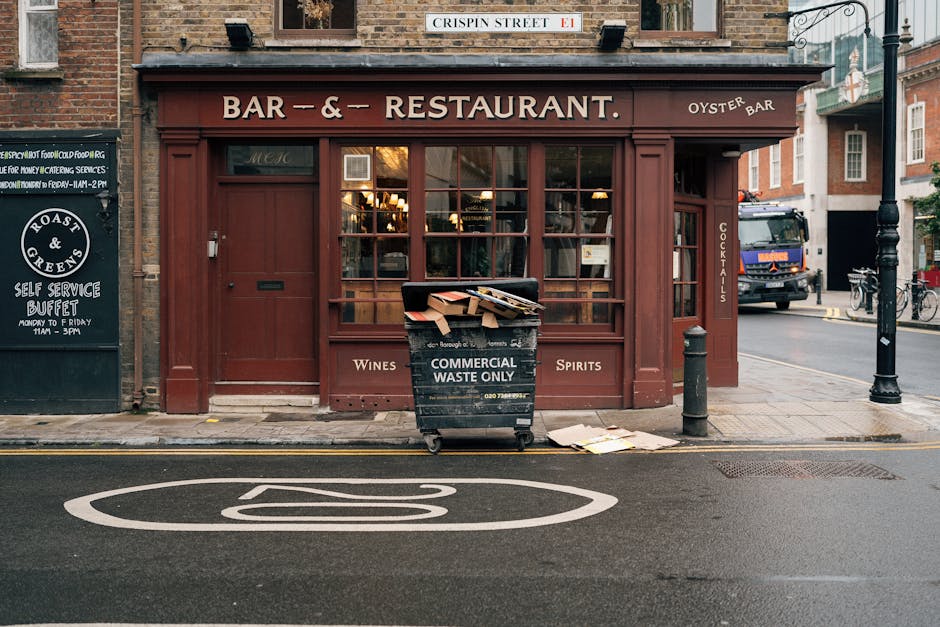
Running a shop on High Street Colliers Wood means you are always juggling something: stock arriving, packaging building up, old display units getting in the way, and the daily sweep-up that nobody ever seems to schedule at the right time. Commercial rubbish removal for shops on High Street Colliers Wood is not just about clearing bags and boxes. It is about keeping your frontage tidy, protecting staff and customers, and making sure waste leaves the premises in a way that is legal, efficient, and not a headache by Friday afternoon.
To be fair, most shop owners do not have time to think deeply about waste until it becomes visible. A back room starts to feel cramped, a bin store smells, cardboard stacks near the exit, or a delivery day turns into a small obstruction puzzle. This guide breaks the topic down properly: how it works, who needs it, what to watch for, and how to make better decisions without overcomplicating the whole thing.
As a side note, tidy waste management does more than look good. It can support smoother operations, less stress for your team, and a better impression on anyone walking past the window. If you have ever noticed how quickly a neat shopfront feels calmer than a cluttered one, you already know the basic idea.
- Why it matters for shops on High Street Colliers Wood
- How the service works
- Key benefits and practical advantages
- Who this is for and when it makes sense
- Step-by-step guidance
- Expert tips for better results
- Common mistakes to avoid
- Tools, resources and recommendations
- Law, compliance, standards, and best practice
- Options and comparison table
- Case study example
- Practical checklist
- Conclusion
- Frequently asked questions
Why Commercial rubbish removal for shops on High Street Colliers Wood Matters
Retail waste is not the same as household waste, even when it looks similar at first glance. Shops generate mixed materials, often in bursts: cardboard from deliveries, broken hangers, shelving offcuts, damaged stock, old signage, packaging film, and the occasional bulky item that simply will not fit into an ordinary bin. On a busy high street, those items can pile up fast.
What matters most is not just removal, but timing and consistency. If waste hangs around too long, the practical problems start stacking up. Staff spend time moving things around. Customers see clutter before they see your best products. And if bins overflow, the shop can feel disorganised even when everything else is fine. A small issue becomes part of the customer experience. Annoying, really.
There is also a public-facing side to this. A high street shop is part of a shared environment, not a private warehouse tucked away at the back. That means waste management has knock-on effects for neighbours, pedestrians, loading access, and the overall feel of the street. If you want a broader perspective on the consequences of poor waste habits, the article on how poor waste management affects health and the environment is worth a read.
For businesses in Colliers Wood, good waste handling is one of those unglamorous basics that quietly supports everything else. You do not notice it when it is working. You absolutely notice it when it is not.
How Commercial rubbish removal for shops on High Street Colliers Wood Works
In most cases, the process is straightforward. A shop identifies the waste that needs removing, chooses a collection time, and arranges for a licensed waste carrier to collect it. The collection may be a one-off clear-out or a recurring arrangement, depending on how much material your business produces.
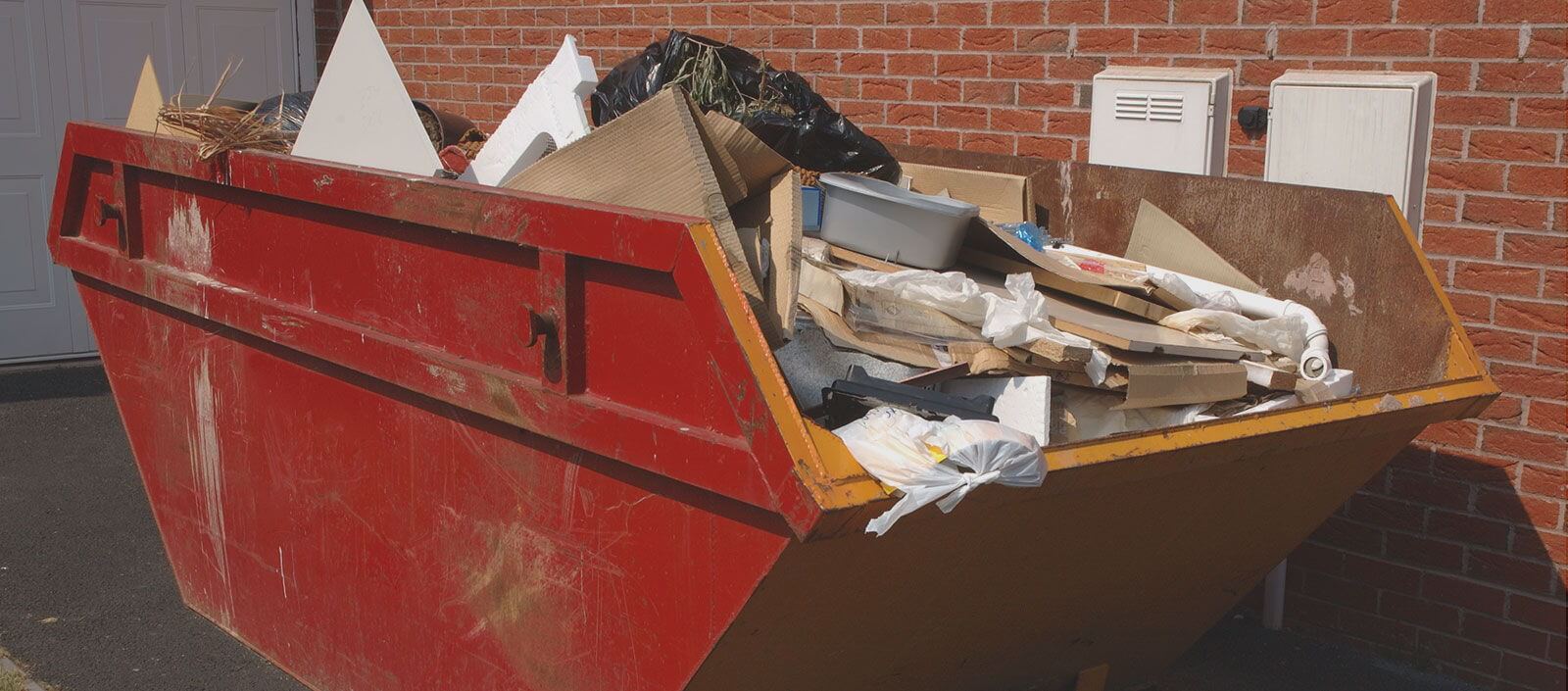
A typical commercial rubbish removal visit might involve a quick assessment on arrival, loading waste safely, separating recyclable materials where possible, and taking everything away in one visit. For many retailers, the simplicity is the main attraction. No need to hire a van, no need to ask staff to spend half a morning at the local tip, and no need to play Tetris with cardboard boxes behind the counter.
In practical terms, it often works best in one of three ways:
- One-off shop clearance: useful after refurbishments, stock changes, closures, or major deliveries.
- Ad hoc collections: a flexible option for shops that have unpredictable waste volumes.
- Regular collections: better for businesses with steady output, such as convenience stores, clothing shops, or small specialist retailers.
The key is to match the removal method to the real pattern of your business. A shop that receives large deliveries twice a week will need something different from a boutique that mainly produces lightweight packaging and occasional broken displays.
If you are comparing the wider range of available services, the services overview gives a useful sense of how commercial collections fit alongside other rubbish and waste solutions.
Key Benefits and Practical Advantages
The obvious benefit is that rubbish disappears. Fair enough. But the real value goes deeper than that. When commercial waste is managed well, the whole shop tends to run more smoothly.
Cleaner front and back-of-house areas. A clear stockroom is easier to work in, easier to clean, and less likely to create trip hazards. That matters when staff are moving quickly during deliveries or busy trading hours.
Better use of space. Every shop has a back area that seems to shrink at the worst possible moment. Removing accumulated cardboard, packaging, and old fixtures frees up room for stock, returns, or daily operations. Space is money, especially on a high street.
Improved customer perception. People notice clutter, even if they do not consciously comment on it. A neat shopfront says "orderly," "well run," and "worth stepping into." That is not marketing fluff. It is a real behavioural cue.
Less strain on staff. Team members should be serving customers, restocking shelves, and keeping the shop moving, not making repeated waste runs. Outsourcing removal saves time and, often, a bit of morale too.
Better segregation and recycling opportunities. Cardboard, metals, plastics, and certain fixtures can often be separated more effectively when collections are planned. If your business wants to make a more sustainable choice, the page on recycling and sustainability is a good companion read.
Reduced risk of compliance mistakes. Waste handling has responsibilities attached to it, and those responsibilities are easier to manage when the process is simple and documented.
Expert summary: For most shops, the best waste solution is not the cheapest-looking one on paper. It is the one that keeps the premises clear, protects staff time, and avoids messy surprises later on.
Who This Is For and When It Makes Sense
This service is for a wide range of retail businesses, not just big chains or shops undergoing a full refit. In fact, smaller independents often benefit the most because they rarely have the spare capacity to deal with waste in-house.
You may need commercial rubbish removal if you run:
- a convenience store or corner shop
- a fashion or accessories retailer
- a beauty, cosmetics, or personal care shop
- a cafe with retail waste mixed in
- a specialist gift or homeware store
- a newsagent, tobacconist, or small supermarket-style unit
- a business preparing for refurbishment or a seasonal reset
It also makes sense during specific moments in the trading calendar. End-of-season clearances, post-delivery packaging surges, pre-inspection tidy-ups, and post-Christmas stock turnovers are all common triggers. You know that feeling when a shop is half-rented by cardboard? That.
Some businesses also reach a point where waste no longer fits into a "bin day" model. They need a practical solution because the volume is too irregular, too bulky, or too mixed to manage efficiently with standard local arrangements. In those cases, a dedicated collection can be the difference between a manageable stockroom and a mild disaster.
For businesses thinking about wider commercial property improvements, the local context matters too. Colliers Wood has a mix of retail activity and residential surroundings, which means keeping waste under control supports both trading standards and good neighbour relations. The local perspective in locals discuss whether Colliers Wood is a good place to call home is a nice reminder that a well-kept area benefits everyone.
Step-by-Step Guidance
Here is a simple way to approach shop waste removal without overthinking it. The process does not need to be complicated, but it does need to be deliberate.
- Identify the waste types. Separate cardboard, general rubbish, broken fittings, old display items, packaging wrap, and anything potentially hazardous. If it is mixed, note that too.
- Estimate the volume. You do not need a laboratory-grade measurement. Just note whether it is a few bags, a half-full stockroom, or bulky items that need more than one person to lift.
- Decide on timing. Early morning, after closing, or between delivery windows often works best. The least disruptive slot is usually the right one.
- Check access. Think about stairs, narrow corridors, parking limitations, and whether the load-out point is at the front or rear of the shop.
- Confirm what can be taken. Most everyday commercial waste is straightforward, but certain items may need separate handling or special checks.
- Keep paperwork in order. Make sure the provider can explain how waste is handled, where it goes, and what documentation is available.
- Prepare the space. Move items into one clear area if possible. That makes collection faster and less disruptive.
- Review the result. After the collection, look at what worked and what did not. One smooth visit tells you a lot about future scheduling.
A small tip from real-world experience: the best collections usually happen when the shop team has already pre-sorted waste the day before. It saves time, reduces mistakes, and makes everyone look more organised than they felt ten minutes earlier.
Expert Tips for Better Results
Good waste removal is partly about service and partly about habit. Shops that get the best results tend to do a few things consistently well.
1. Create a simple waste station. One corner or rear area for cardboard, one for general waste, and one for items awaiting removal. It does not need a fancy system. Just something staff can follow without a long explanation every morning.
2. Label bulky items early. If something is waiting for disposal, mark it clearly. Otherwise it has a habit of becoming "temporary storage" for three weeks. Retailers know the type.
3. Schedule around your deliveries. If the shop receives stock on certain days, plan waste removal so the two do not clash. Otherwise you end up moving waste twice, which is nobody's favourite job.
4. Keep an eye on seasonal peaks. Christmas, sales events, summer promotions, and end-of-line stock changes can all produce more waste than usual. Build that into your planning before the pile-up arrives.
5. Ask about recycling practices. A collection service should be able to explain how recyclable material is treated. If the answer is vague, that is a signal to ask more questions.
6. Look at the full service picture. Waste removal is often part of a wider operational tidy-up. If you also need clearance support, the related commercial and clearance pages can be helpful, including commercial waste removal in Colliers Wood and office clearance in Colliers Wood.
And here is a small human truth: the smoother the waste routine, the less anyone talks about waste. Which is exactly how it should be.

Common Mistakes to Avoid
Most waste problems are avoidable. They happen when businesses make assumptions, delay decisions, or treat rubbish as something to sort out later. Later, of course, has a way of arriving with a full skip.
Leaving it too long. The biggest mistake is waiting until waste becomes impossible to ignore. By that point it may already be affecting trading space or customer access.
Mixing everything together. Cardboard, plastics, and general rubbish are easier to manage when they are not all thrown into one chaotic pile. Separation helps with handling and may improve recycling outcomes.
Choosing based on price alone. Cheapest is not always best. If a provider is unclear about what is included, collection timing, or handling standards, the "deal" can get messy fast.
Ignoring access issues. Narrow entrances, awkward parking, and shared loading areas can slow a job down or make it more disruptive than planned. A five-minute access check can save a lot of irritation.
Assuming all waste is the same. Some items are straightforward; some need more care. It helps to be specific when describing what you need removed.
Forgetting staff habits. A one-off cleanup is useful, but the larger issue may be everyday behaviour. If the team does not know where to put waste, the problem just reappears. Like magic, but less fun.
If you want a broader look at how waste mistakes affect the wider area, the blog on public health and environmental impacts gives useful context without overcomplicating the subject.
Tools, Resources and Recommendations
You do not need a large toolkit to manage commercial waste well, but a few practical resources make a difference. The goal is to keep the process simple enough that busy staff will actually follow it.
- Clearly labelled bins or containers: useful for separating cardboard, mixed waste, and reusable items.
- Basic internal waste log: a simple note of what gets collected and when can help spot patterns.
- Measuring tape or rough volume guide: handy when estimating how much waste is ready for removal.
- Photographs of bulky loads: useful if you need to describe the job before collection.
- Staff instructions sheet: a short, plain-English reminder of where items go and what gets kept aside.
For businesses comparing wider waste options, the broader waste removal in Colliers Wood page can help you think about how commercial collections sit alongside other premises clean-up needs.
If your shop is also handling furniture, display stands, or old appliances, it may be worth looking at related disposal pages such as furniture removal and appliance disposal. Not every retail clear-out is just boxes and wrapping, after all.
Law, Compliance, Standards, or Best Practice
Commercial waste brings responsibilities. In the UK, businesses are expected to handle waste properly, use suitable carriers, and keep an eye on documentation where needed. The exact obligations can vary depending on the type of waste and how it is managed, so it is wise to work with a provider that understands commercial handling rather than guessing your way through it.
From a practical standpoint, best practice usually includes:
- using a waste carrier that can demonstrate compliance
- keeping waste streams as organised as possible
- avoiding fly-tipping risks by checking who is collecting your rubbish
- making sure staff know not to mix regular rubbish with anything potentially restricted
- retaining records where appropriate for your business processes
If you are ever unsure about a collection company, asking how they handle compliance is not awkward. It is sensible. The page on waste carrier licence and compliance is a useful place to understand the kind of standards a professional provider should be able to discuss clearly.
There is also a safety angle. Collections should be carried out in a way that protects staff, customers, and the public. That includes sensible lifting practices, safe loading, and awareness of awkward or heavy items. For more on that side of things, see insurance and safety.
One more thing: good compliance is not about paperwork for its own sake. It is about making sure waste leaves your business cleanly, responsibly, and with fewer chances of a nasty surprise later.
Options, Methods, or Comparison Table
Shop owners usually compare three main approaches: standard council-style disposal where available, self-managed disposal, or a professional commercial rubbish removal service. Each has its place, but they suit different needs.
| Option | Best for | Strengths | Trade-offs |
|---|---|---|---|
| Self-managed removal | Very small, occasional loads | Direct control, flexible timing | Takes staff time, needs transport, can be awkward for bulky waste |
| Routine bin-based disposal | Predictable, low-volume waste | Simple once set up, familiar to staff | Can struggle with seasonal surges or large packaging loads |
| Professional commercial rubbish removal | Mixed, bulky, or irregular shop waste | Fast, scalable, less staff disruption | Needs planning and clear communication |
For many High Street retailers, the professional route is the most practical because it matches the way shop waste actually behaves: uneven, seasonal, and sometimes awkward. A busy retailer needs less admin, not more.
Case Study or Real-World Example
Imagine a small independent clothing shop near the centre of High Street Colliers Wood. After a seasonal reset, the team has old rails, cardboard from a delivery run, damaged mannequins, plastic wrap, and a stack of packaging that kept getting pushed into the back room "for later." Later arrives, naturally, on a day when a new stock order is due.
The stockroom is suddenly tight on space. Staff are working around piles instead of through them. The shop still looks decent to customers, but behind the scenes it is becoming a bit of a mess.
Rather than trying to tackle it piecemeal, the manager arranges a commercial rubbish removal visit. The waste is grouped in advance, access is checked, and the collection happens after closing. By the next morning, the back room is open again, the delivery route is clear, and the staff can work without moving cardboard every ten minutes.
That kind of clean reset does not sound dramatic. It is not. But it changes the feel of the shop almost immediately. Less clutter, fewer delays, better stock handling. And importantly, no one spends half a day arguing over which bin gets which bag. A tiny win, but a proper one.
Practical Checklist
Before you book a collection, run through this checklist. It is simple, but it catches most of the common problems.
- Have you identified exactly what needs removing?
- Have you separated cardboard, general waste, and bulky items where possible?
- Do you know when the least disruptive collection time would be?
- Is there clear access for loading?
- Have staff been told what should be left aside?
- Have you checked whether any items need special handling?
- Do you understand what the service includes?
- Have you confirmed the provider can handle commercial waste responsibly?
- Do you have a simple note of what was collected?
- Have you considered whether this should become a regular arrangement?
If you can tick most of those off, you are in good shape. If not, that is fine too. Better to sort it now than to fix a waste pile in a rush later on.
Get a free quote today and see how much you can save.
Conclusion
Commercial rubbish removal for shops on High Street Colliers Wood is really about keeping the business working the way it should. Clean spaces are easier to manage, easier to trade from, and much easier to feel proud of. That matters whether you run a small independent or a busier retail unit with regular deliveries and constant packaging.
The best results come from a simple plan: know what you are removing, choose the right timing, keep your team informed, and work with a provider that understands commercial waste properly. Nothing flashy. Just solid, practical habits that save time and reduce friction.
And honestly, that is what most shop owners want. Less clutter, fewer interruptions, and one less thing to worry about before opening the doors in the morning. Sounds fair enough.
For readers who want to explore the wider service range behind this topic, the about us page can also help you understand the approach behind the service, while the pricing and quotes page is useful if you are comparing next steps.
In a busy place like Colliers Wood, a tidy shopfront is not just neat. It is reassuring. And that counts for a lot.